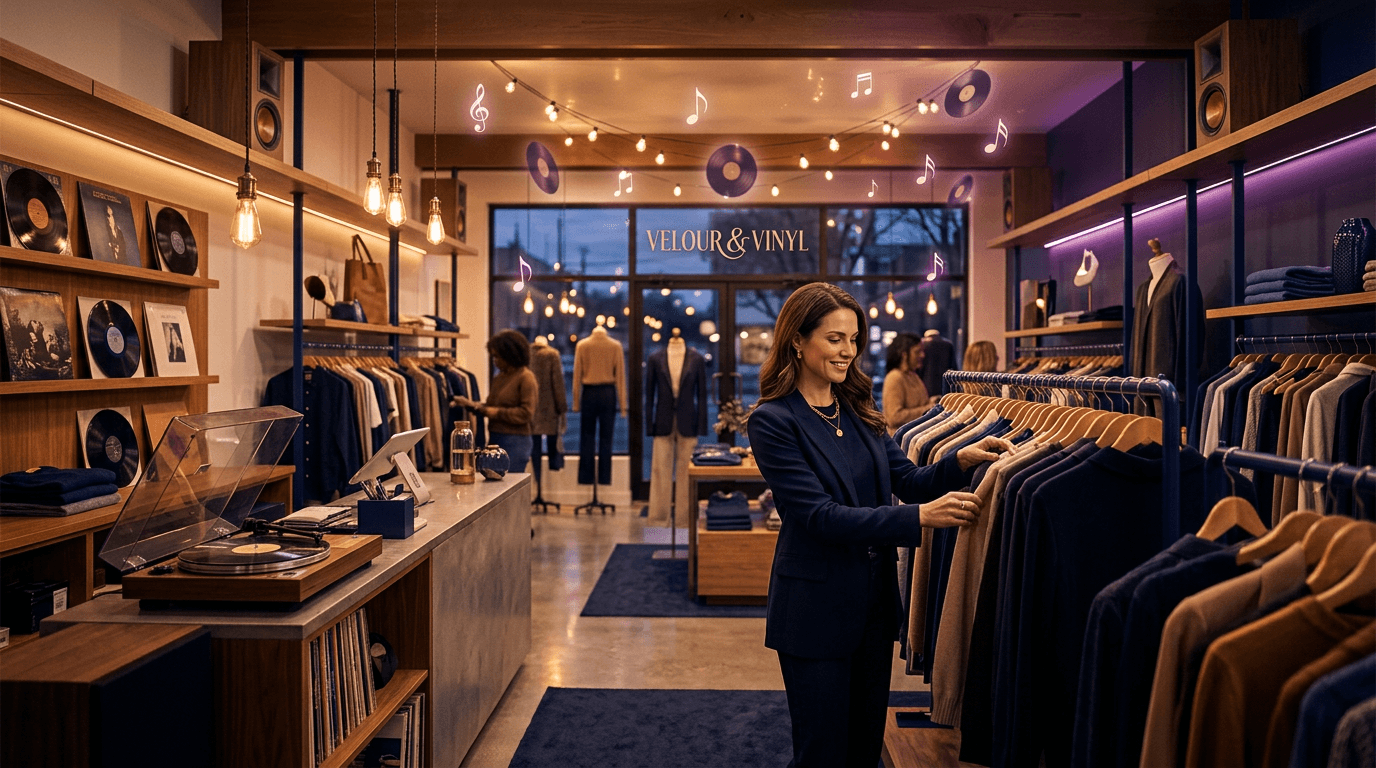

In the dynamic world of retail, creating the right atmosphere can significantly influence customer behavior and drive sales. One of the most powerful tools at your disposal is music. A carefully curated playlist can enhance the shopping experience, evoke positive emotions, and encourage customers to stay longer and spend more.
Here are seven tips to help you build a playlist that boosts sales:
1. Know Your Target Audience
Understand who your customers are - in terms of age, taste and lifestyle. Are they young and trendy, or older and more sophisticated? Match the playlist to their musical preferences to create a genuine emotional connection that influences purchasing decisions.
2. Align Music with Your Brand Identity
Music should reflect your brand's character and values. If you run an upscale fashion boutique, consider contemporary and energetic tracks. For an intimate bookstore - choose soft and relaxed music. Consistency between brand identity and music strengthens the store's personality and leaves a lasting impression on customers.
3. Tempo Matters
Music tempo directly affects shopping pace:
A study published in the Journal of Consumer Research found that slow-tempo music increased average spending in stores by **38%** compared to fast-tempo music.
4. Get the Volume Right
Finding the right volume is critical:
- Music that's too loud burdens customers and may cause them to leave early
- Music that's too quiet won't achieve the desired effect
- The sweet spot: 40–55 decibels - in the background, without interrupting conversation
5. Create Time-of-Day Playlists
Consider creating playlists tailored to different times of day:
With 4Play, you can set automatic scheduling that changes the playlist by the hour - effortlessly.
6. Keep It Fresh
Avoid playing the same songs over and over. Add new songs and regularly refresh the playlist to maintain a fresh, interesting atmosphere - for both returning and new customers. A constantly updated playlist also prevents the music from becoming "background noise" that no one notices.
7. Listen to Your Customers
Pay attention to feedback you receive about music choices. Encourage customers to share their opinions through brief surveys or spontaneous conversations. Customer reactions will help you identify areas for improvement and understand what works. Remember - a great playlist is ongoing work, and flexibility is essential for long-term success.
Summary
Music is a powerful business tool that can transform customer experience and drive sales. When you know your audience, match the music to your brand, and get the tempo and volume right - you can build a playlist that improves the shopping experience, creates a positive atmosphere, and boosts sales.
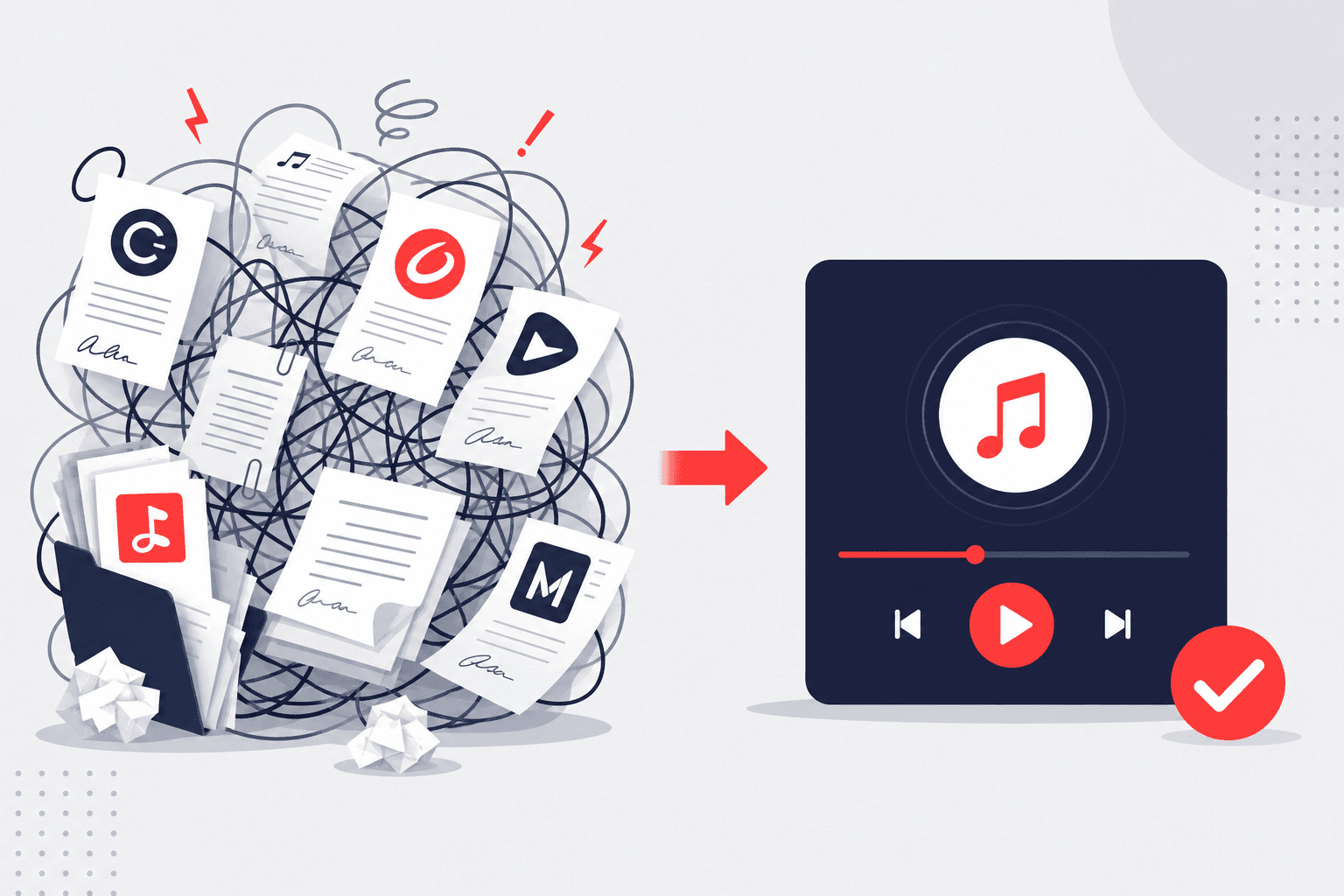
With 4Play, you get 100K+ royalty-free tracks, automatic time-based scheduling, and personalized playlists - all in one monthly payment, no royalties required.