
Starbucks: When Music Becomes a Brand
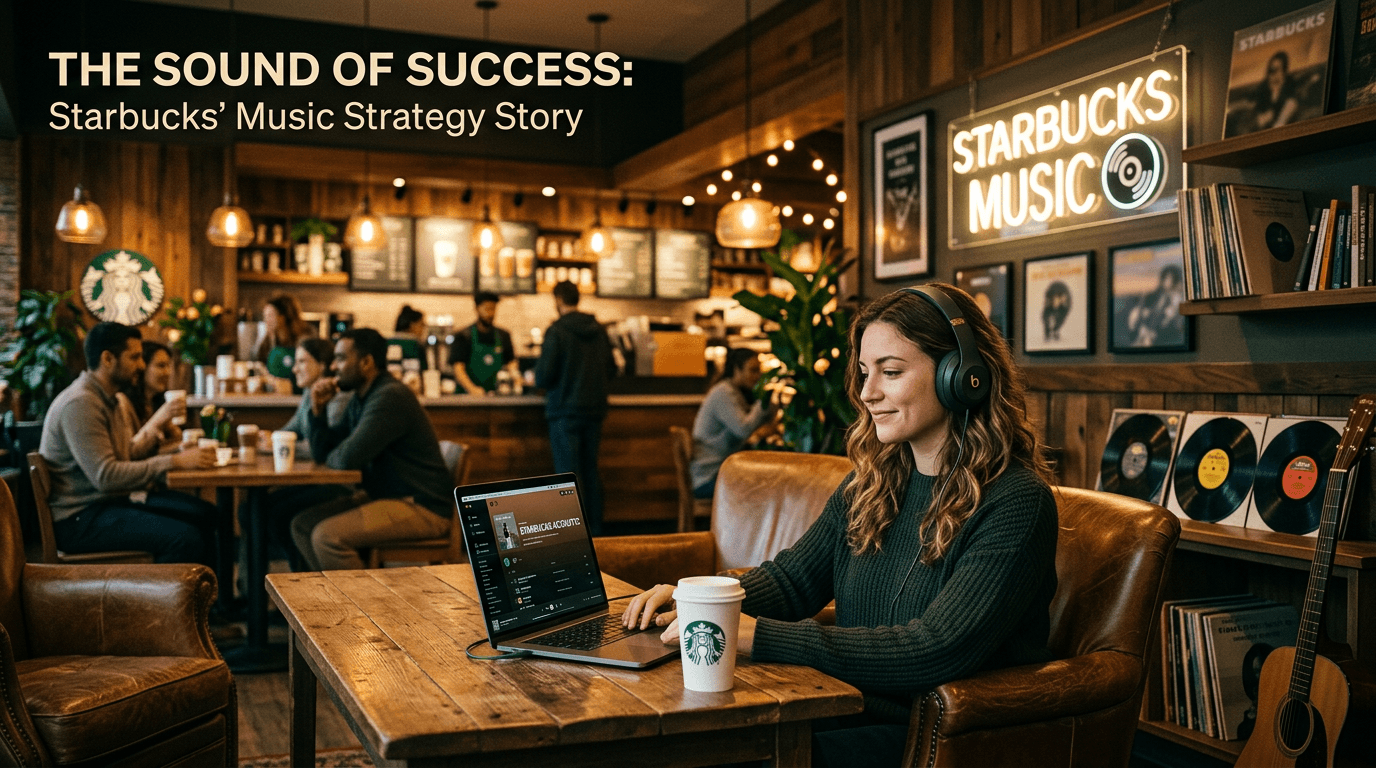
Starbucks is perhaps the best example in the world of a business that understood the power of music for coffee shops. What started with records behind the counter became a business strategy that generated millions in additional revenue.
Howard Schultz's Vision
In 1994, Howard Schultz, Starbucks CEO, decided that Starbucks wasn't just selling coffee - it was selling an experience. And music is a central part of that experience.
What Starbucks Did
1. Built a music team - dedicated experts who curated music for every location
2. Time-of-day customization - different music for morning, afternoon and evening
3. Brand consistency - the same musical atmosphere across all 30,000+ locations worldwide
4. Spotify integration - in 2015, partnered with Spotify to create unique playlists
The Results
What Coffee Shop Owners Can Learn
1. Music = Brand Experience
Coffee shop music isn't background noise - it's part of your business identity. When a customer walks in and hears music that fits the atmosphere, they feel like they're "at home."
2. Invest in the Right Choices
Not every playlist works. 4Play offers an AI-powered music editor that analyzes your café's atmosphere and creates personalized playlists.
3. Consistency Is Key
If the music changes sharply (from jazz to trance), it will hurt the experience. With 4Play's automatic scheduling, transitions are smooth and natural.
4. Save Money Along the Way
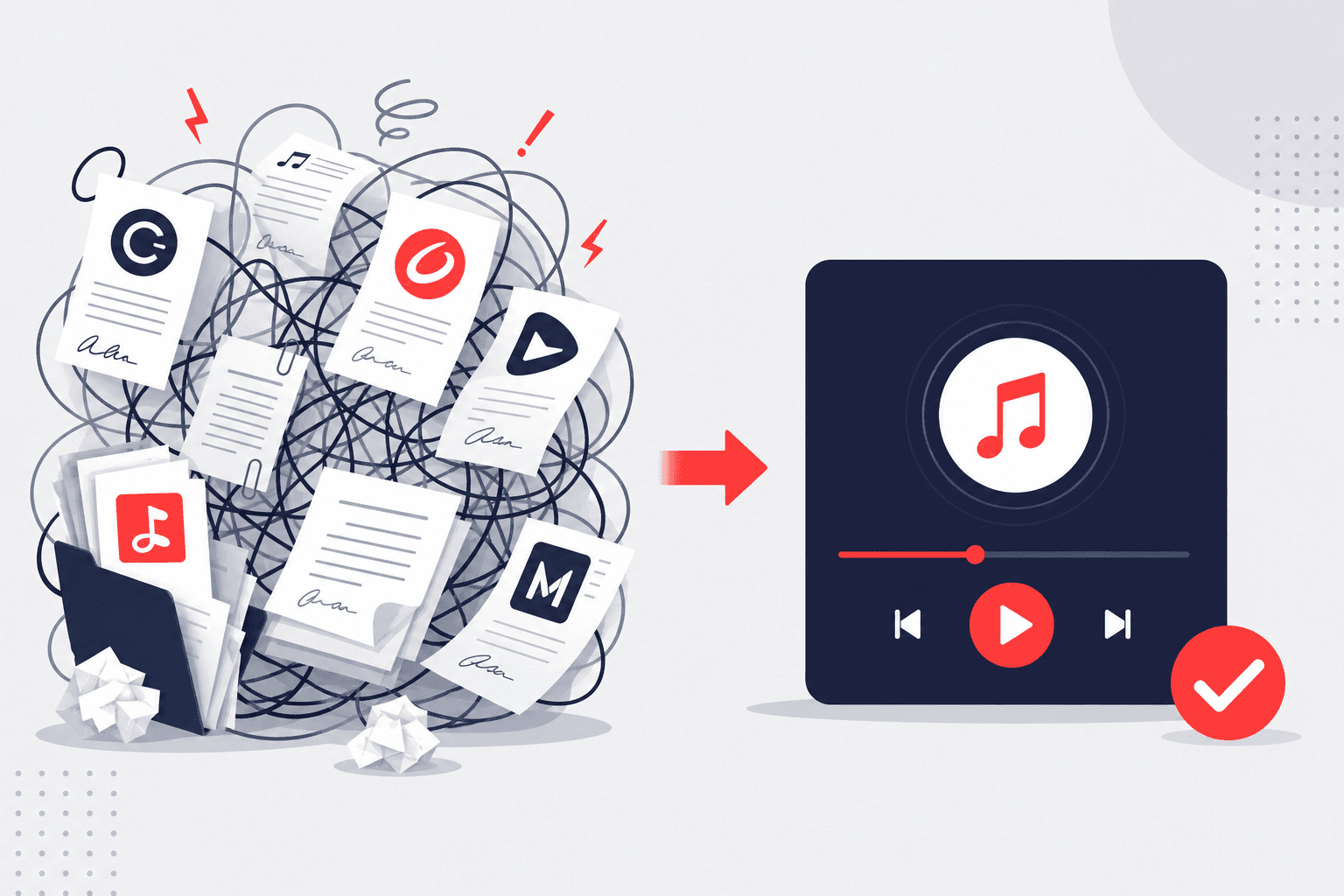
Starbucks pays millions for music licenses. With royalty-free music from 4Play, small and medium coffee shops get a similar quality service - from $35/month, no royalty fees.
Summary
Starbucks proved that music is a real business tool. With 4Play, every coffee shop can enjoy professional, personalized, royalty-free music - just like the big players.
Try 7 days free and give your customers a musical experience they won't forget.